The Role of CCTV Drain Inspection in Identifying Drain Corrosion

Blocked drains are a major problem for both businesses and homes. They can cause problems, smells and may lead to hygienic issues. It is vital to find the cause of blocked drains in order to correct them and prevent further blockages.
Key Takeaways
- Blocked drains can lead to disruptions, odor, and hygienic issues.
- Drain corrosion is the most common cause of leaks and blockages caused by aging, exposure to chemicals or accidents.
- CCTV Drain Inspection is an reliable, efficient, and affordable solution to diagnose issues in pipe systems.
- The process involves inserting an optical fiber camera which captures images to be sent to a monitoring center team that can identify problems big or small within the pipeline.
- Benefits include no destructive investigation cost savings, reduced resources and material costs and preventing future issues fast diagnosis and delivery of reports.
- If you are experiencing problems with drains that are slow or blockage, contact Sydney Plumber Blocked Drains for immediate assistance.
What is Drain Corrosion?
The process of drain corrosion occurs when pipes age or are exposed to a variety of chemical substances. The cause could be as a result of plumbing accidents, for example corrosion-causing drain cleaners that damage PVC pipes. Corrosion leads to several problems like leaks, blockages, or blockages that could cause long-term damage. However, determining the exact location and type of problem can be quite difficult.
how CCTV Drain Inspection Functions
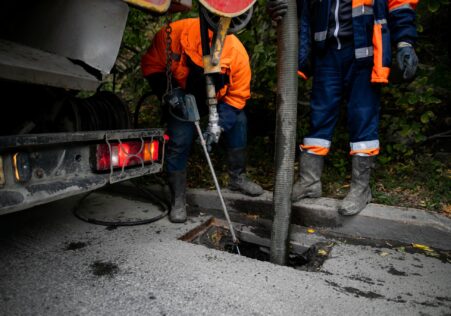
CCTV cameras allow us to perform an inspection inside the drain system, without the necessity of digging which could end up damaging your yard or property.
The procedure is easy:
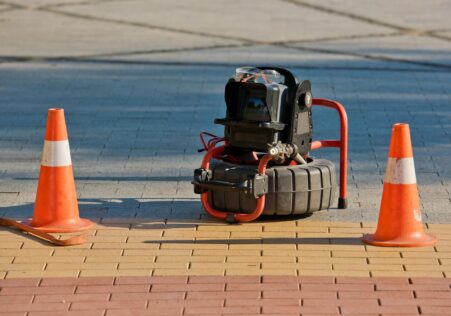
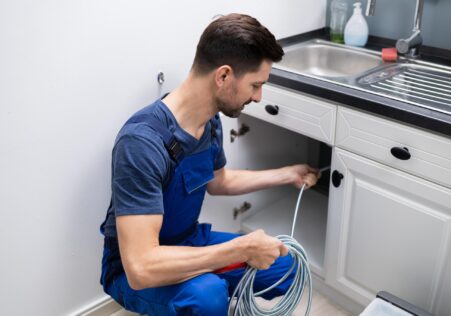
- We put a fiber-optic device attached to a flexible cable in the drain.
- The camera captures high-resolution images of the insides of your drain pipes. These images are then transmitted to our team operating in our Control Center.
- Our trained technicians make use of these images to identify and identify any defects within the pipe, including corrosion.
What is the reason to use CCTV for inspection?
The effects of air pollution and seismic activity, as well as shifting soil, patterns of rainfall could all contribute to blocking of pipes. Therefore, it is vital to identify and correct these issues prior to they escalate. Here’s the reason why CCTV inspections are beneficial:
- Secure Identification Inspections of CCTVs give exact information about what’s happening in your pipeline, eliminating destructive investigations that may have resulted in the wasting of time and funds.
- Cost-effective Since there is no digging or excavation are required, it saves both resources for manpower and material costs.
- Stop Future Problems Our experts identify every issue, big or small in the pipeline using high-resolution cameras which permit prompt intervention to prevent future issues.
- Efficiency Our team of surveyors can diagnose and deliver comprehensive reports right away, allowing rapid decision-making regarding remedial actions.
Conclusion
In conclusion, CCTV Drain Inspection is a reliable and cost-effective solution to identify blocked drains due to corrosion. The sooner the issue is identified, the faster the issue can be resolved with the least disruption. If you observe any slow or blocked drains contact us immediately. phone call on Sydney Plumber Blocked Drains for immediate assistance.
Additional Information
- Keep Your Home Safe by Hiring a Professional Drain Cleaning Service
- An In-Depth Look at Traditional and CCTV Drain Inspections
- Understanding CCTV Drain Inspection and the Benefits for Your Home
- The Ultimate Guide to Drain Clearing Services
- Don't Allow Clogged Drains Ruins Your Day: Hacks to Try Out
- How to Tell You Need Drain Clearing Services for Your Business
- The Importance of CCTV Drain Inspection in Commercial Properties
- Mastering High Pressure Drain Cleaning Completely
- Do-It-Yourself Solutions for a Clogged Pipe: Tips and Tricks
- Catching Drain Issues Early: The Benefits of Scheduling Regular Inspections for Your Business